What parents should teach a first-time driver before driving alone
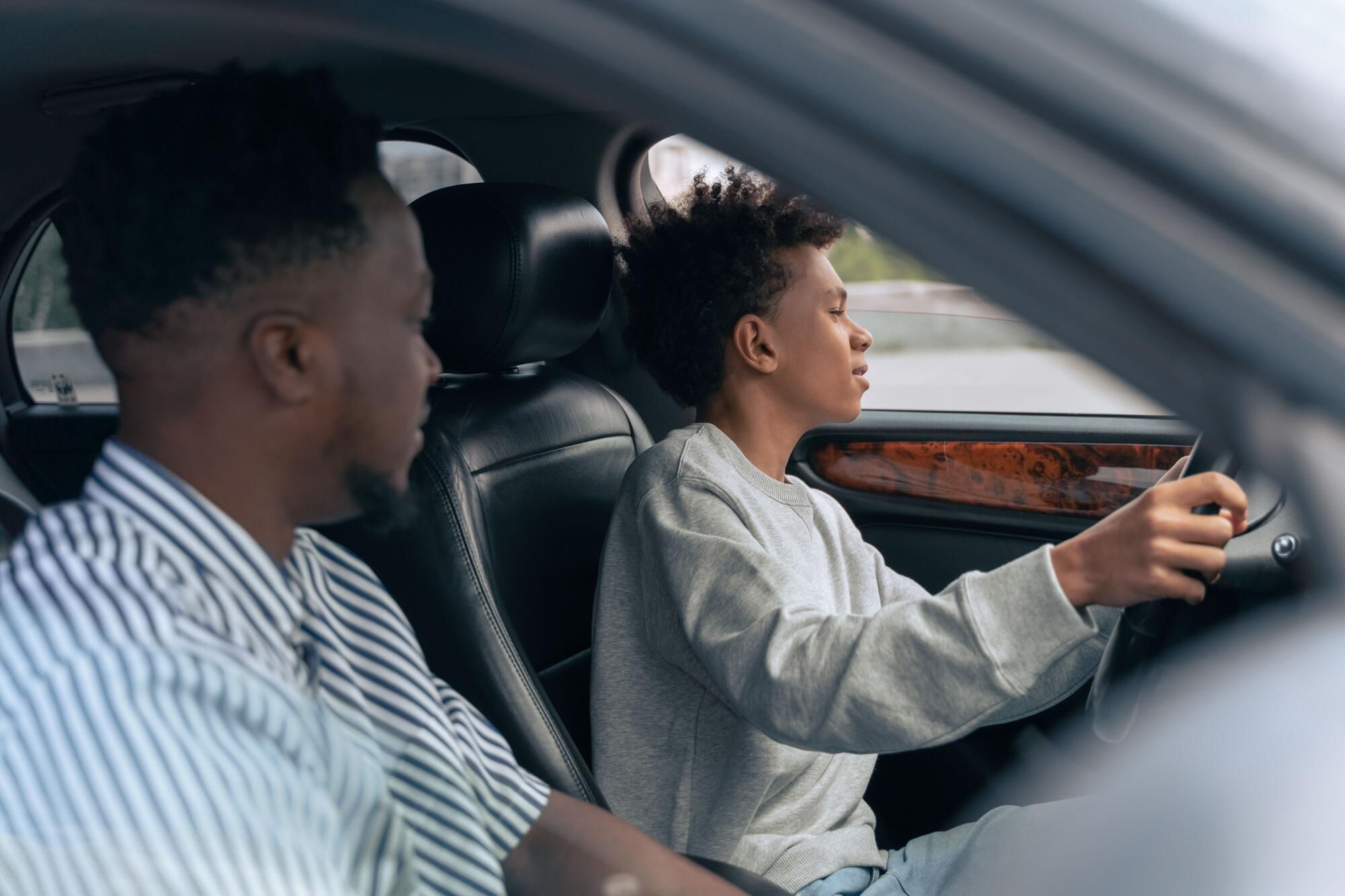
Parents should teach a first-time driver how to drive and read the traffic. Responsible decisions matter before taking any solo drive. A teenager should also know what to do if the plans change or there is a problem with the car.
It is clear why these driving lessons are important. In 2024, 2,899 teenagers between the ages of 13 and 19 were killed due to crash injuries, according to teen crash data from the Insurance Institute for Highway Safety. Preparation will ensure they have the skills necessary not only to pass the driving test but also to judge real roads.
Give a First-Time Driver Varied Practice
Lessons should not be limited to practice on quiet streets. Lessons in the rain (when it is safe) and at dusk to learn about different light and visibility should be included too.
A new driver should learn how to look far ahead and look in the mirrors constantly. They should leave extra space behind the next car.
Ask them what they think the next driver might do, so each practice is an exercise in predicting danger.
Make Safe Habits Automatic
A driver should form certain routines before starting the engine. They need to adjust the seat and mirrors and put on a seat belt. Their cell phone should be turned off and kept out of reach.
This behavior should be modeled by parents. Federal safety officials note that a distracted driving offense may result in a delay or suspension of a teenager’s license in some states under graduated licensing rules.
Teach Speed and Space Control
Speed limit means the highest speed that can be legally driven under good conditions. The rain may slow the car down. Show the driver how to increase the distance when it rains.
Practice at night is also necessary before driving on the road for the first time alone. At night, the fatal crash rate of drivers aged 16-19 is nearly three times higher per mile than adults aged 30-59, according to the CDC’s teen driving research.
Teach the Issues Not Covered by the Driving Test
The driving test for the first driver’s license may not include flat tire and warning light issues. Teach the driver how to turn the hazard lights on and move to a safe area.
They should know when to remain in the locked car and call for help.
Parents should also discuss what to do after a police stop or crash. It is necessary to show the driver where they can find the details of vehicle registration and insurance.
A serious violation or crash history can lead families to seek auto insurance for high-risk drivers, so safe choices also protect the family budget.
Prepare for the First Solo Drive
The first solo drive should be made during the day in mild weather on a familiar route. The driver should know where they need to drive and if there is enough fuel. The first trip should be short to focus on good habits.
A prepared first-time driver will respect the risks and learn when it is necessary to ask for help. Read more family news and everyday safety tips on our website.